Distressed asset. New name. New destination. This is the story of how CityCenter at CityNorth became High Street, and how one mixed-use property in north Phoenix went from 40% leased to a place people chose to spend their evenings.
- Asset
- 26 acres, 9 buildings, 628,000 sq. ft.
- Product
- Office, retail, restaurant, residential
- Ownership
- SKB with capital partner Wayzata Investment Partners
- My role
- VP, Marketing & Communications
Where It Started: A Good Asset With No Identity
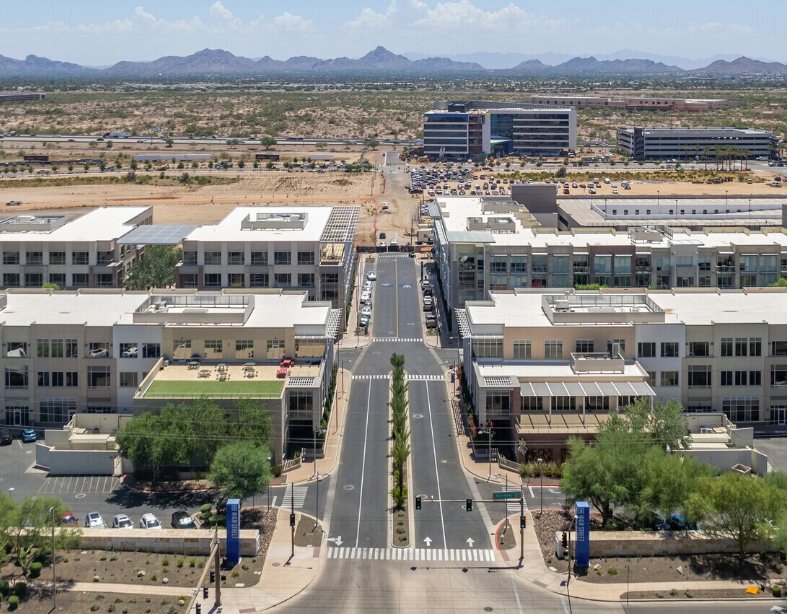
CityCenter at CityNorth was developed by the Related Companies and the Klutznick Organization at a cost of $328 million. It was built in 2008 as a shopping destination, and it arrived just as the economy turned. By the time the property changed hands, office and retail were each about 40% leased, leasing had stalled, and the market had stopped asking what the place was.
The buildings were good. The location was good. What the property lacked was a reason to exist that a tenant, a broker, or a Friday-night crowd could repeat back. It had a long name, a retail thesis the market had moved past, and no story strong enough to compete with the established destinations around it.
I joined the property under Related and RED Development and stayed with it when ScanlanKemperBard (SKB) acquired it in April 2013 with its capital partner, Wayzata Investment Partners. SKB buys existing real estate, adds value, and typically sells within three to five years. That meant the clock was running from the first day.
The Decision: Reposition, Don't Just Rebrand
The easy move would have been a new logo and a fresh campaign. That would have changed how the property looked without changing what it was. The harder and more valuable work was a repositioning: deciding what this asset could credibly become, then making the name, the physical experience, the tenants, and the programming all say the same thing.
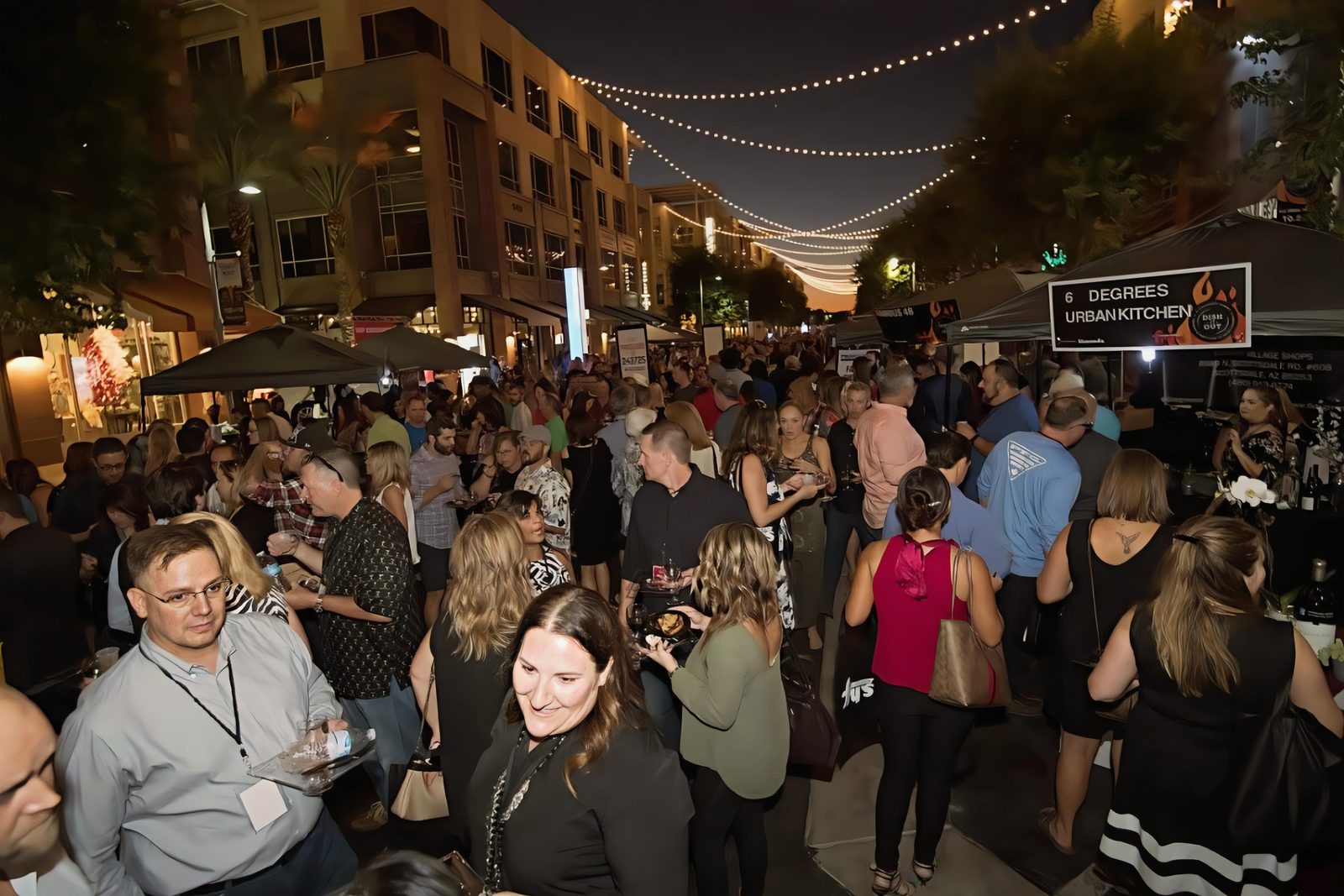
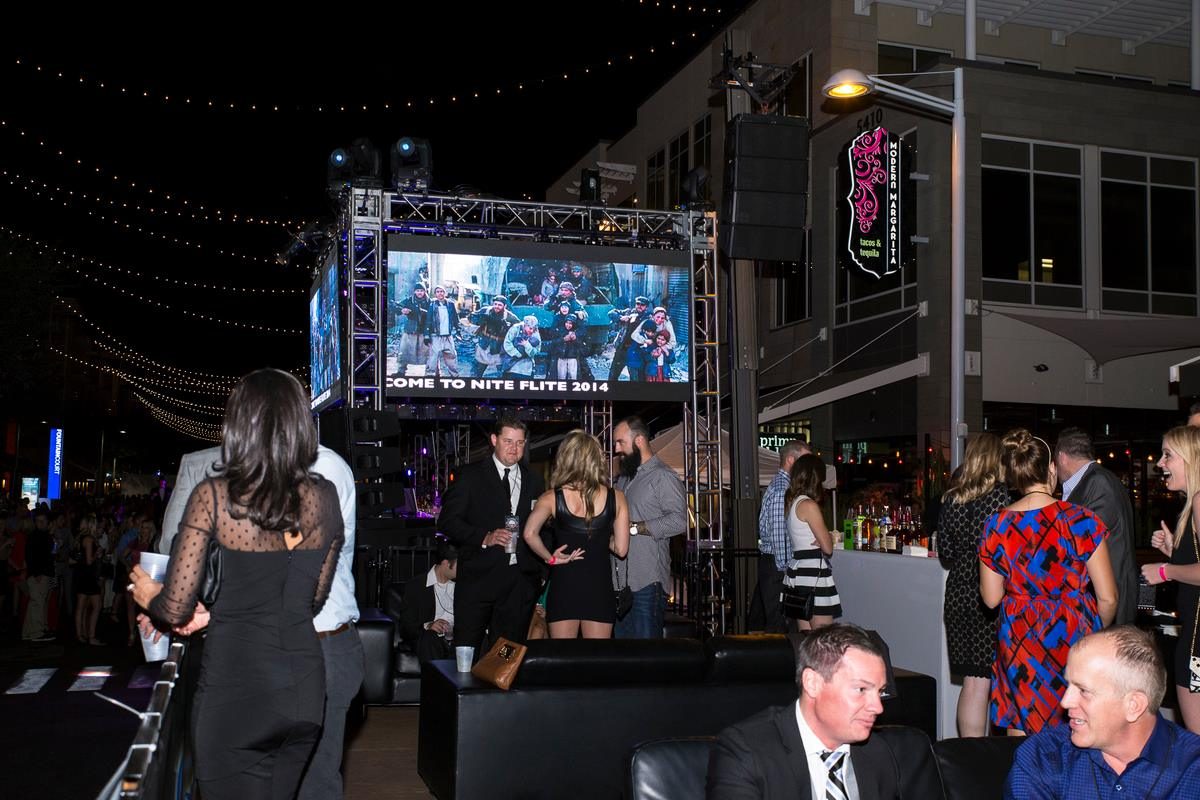
Working with ownership and the leasing brokers, we moved the property's center of gravity from shopping to dining and entertainment. The new thesis was simple: give people a reason to come, not just a place to shop. Restaurants, evenings, events, and energy would lead. Retail and office would benefit from the traffic that followed.
A shopping center competes on stores. A destination competes on reasons. We stopped asking people to come buy something and started giving them a reason to come back every week.
— Leslie Himley, Founder & Fractional CMOThe Name: High Street
"CityCenter at CityNorth" described a development. It did not describe a place anyone wanted to be. I renamed the property High Street: short, confident, and easy to say in a sentence. It works for a restaurant reservation, an office address, and an apartment lease at the same time, which mattered for an asset with four product types under one brand.
I also designed the High Street logo and built the brand platform behind it: positioning, standards, voice, and the four pillars that every campaign, event, and leasing piece had to answer to. (More on how I approach this in the naming process.)
Entertainment first
A reason to come, not just a place to shop. Dining, evenings, and events lead the experience.
Permission to play
You are not one thing. Neither is High Street. This became the "Because You Can" idea.
Alive, not staged
Real people in real moments. Candid, in motion, never posed. The photography had to feel like a Friday night, not a brochure.
Good for the community
Signature events that raised money for local causes, so the property earned its place in the neighborhood.
Making the Brand Real: The Capital Program
A new name on an unchanged property creates expectations the property can't meet. So the repositioning had to show up in the physical experience. SKB committed more than $30 million to tenant improvements and capital enhancements, including the design and construction of a new three-level, 236-space parking structure.
I helped shape the repositioning strategy with ownership and led the look of the capital program, working directly with the interior designers and the signage, lighting, and landscape teams. New lobbies, new signage, and new lighting turned a quiet retail street into an evening destination. Then we photographed it the way the brand promised it would feel.
The Campaign: Because You Can
The brand needed a voice as confident as its name. "Because You Can" was the campaign idea that came with the rebrand: permission to have dinner on a Tuesday, stay out a little later, and be more than one thing. Our 2016 brand film carried that idea, and it won three ADDY Awards, for branded content, cinematography, and editing.
The digital front door mattered too. The High Street website won an American Graphic Design Award in 2014, two years after the CityCenter at CityNorth website won the same honor. The property's look had changed completely, and the standard stayed the same.
"Because You Can" spoke to people deciding where to spend their evening. A second campaign, "Many Things," spoke to the people deciding whether to work or live there: the leasing audience. Same brand, a different reason to say yes.
Programming: Life Before the Capital Work Finished
Capital improvements take time. Perception can move faster. While construction caught up with the brand, year-round programming gave people a reason to come back every week and gave brokers something to show prospects besides vacancy.
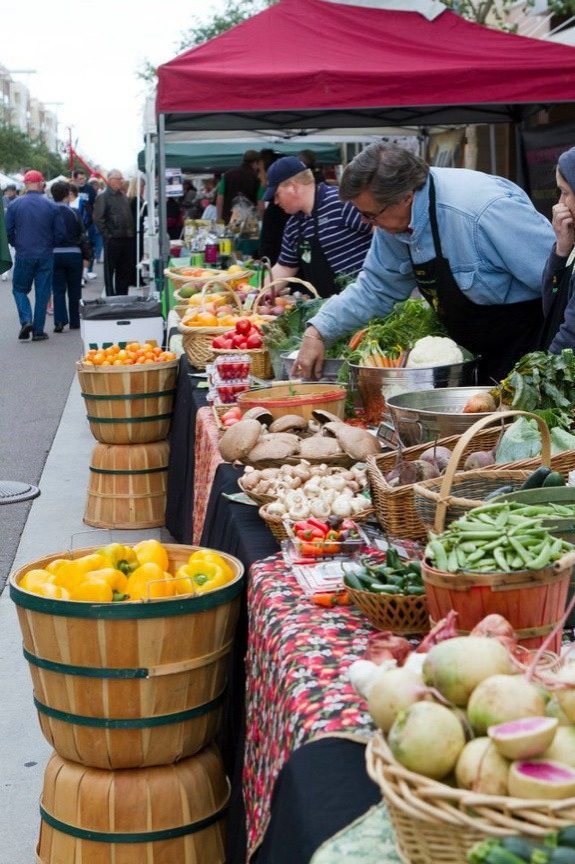
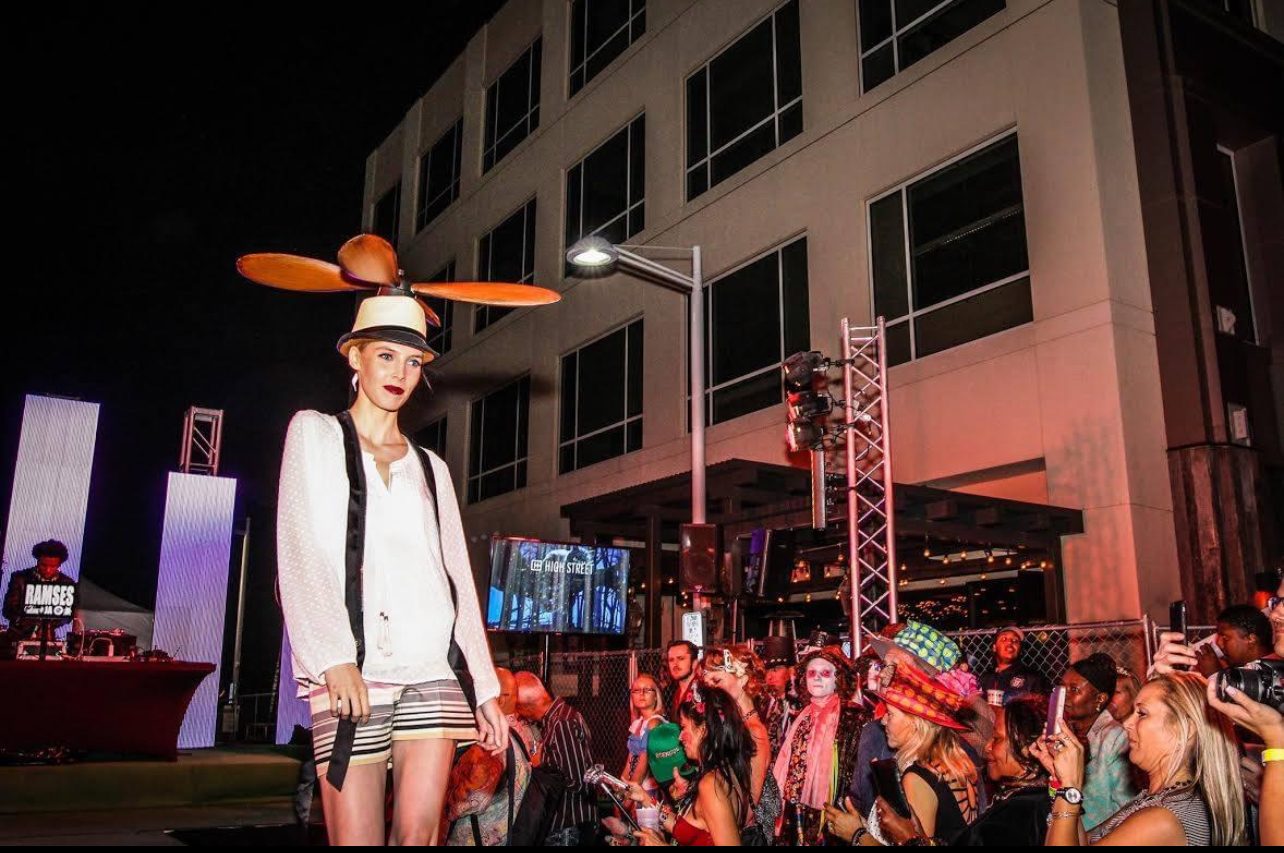
We built a calendar of markets, signature evening events, fashion nights, and community fundraisers, and we built a sponsorship model to fund it. Programming and partnerships at High Street generated more than $950,000 a year in sponsorship and event revenue, and every event gave the leasing team a busier, livelier property to show.
Many Partners, One Direction
A mixed-use repositioning only works when everyone tells the same story. At High Street that meant ownership, the leasing brokers, more than 100 retail, restaurant, and office tenants, the residential team, realtors, the media, and the neighborhood. I ran realtor and broker engagement across the office, retail, and residential components. I gave hands-on marketing support to more than 100 tenants and directed residential marketing for the 99-unit Residences at High Street, managing vendor partner PB Bell.
I served as the property's spokesperson in more than 30 television, print, and digital appearances. I also served as vice president of the Desert Ridge Core Association board, advocating for signage, safety, and infrastructure across the district around us. A destination's reputation doesn't stop at the property line.
Doing More With Less: 58% Less Spend
Repositioning budgets are watched closely, and they should be. Through disciplined digital work, channel optimization, and tighter agency management, we cut marketing spend by 58% while reach and performance grew. I led a team of up to 13, including direct reports and agency partners in PR, digital, design, and signage. Every dollar had to show up in traffic, leasing, or sales, and we reported it in ownership's terms.
Source: Robert D. Scanlan, ScanlanKemperBard (SKB).
"It is worth noting we inherited Leslie with High Street – which is very unusual. We normally don't find people at assets we acquire that meet our standards for initiative, resourcefulness, persistence and creativity in our efforts to successfully rebrand and implement our business plans within our timetable."
— Robert D. Scanlan, ScanlanKemperBard (SKB)What High Street Teaches Owners Today
The market has changed since then, but the lessons haven't. They apply to almost any underperforming mixed-use, retail, or destination asset.
Decide what the asset is before you decide what it's called.
The name worked because the positioning came first. A new name on an old thesis is a delay, not a strategy.
Make the property keep the brand's promise.
The capital program, signage, and lighting were designed to deliver the new positioning. Every visit had to prove the brand true.
Program the gap.
Construction takes time. Programming and partnerships create community life now, and the right sponsorship model pays for it.
Report in ownership's terms.
Occupancy, lease rates, tenant sales, and spend. Marketing earns its seat at the table when it's measured the same way the asset is.
I have done this from the inside, for ownership, with the clock running. If you own or are buying an asset that has lost its identity, the work starts with what the property should become, and it ends with numbers your investors recognize.
Have an asset that needs a new story, a new name, or a new reason to exist? Let's talk through it.
Connect →